I bought a diesel heater from Russia. The Webasto and Erbespacher ones are hideously expensive and frankly get mixed reviews – although I think most of this is due to their installation.
It arrived well packaged from an ebay store based in Ekatarina with lots of cyrillic on the tape that meant that I got charged 70GBP in customs fees, which I was expecting.
The kit included a marine exhaust outlet, which was left out of the main box by accident, but a quick email to the Russians had it delivered promptly.
It is a 4Kw version made by Planar – basically identical to the Werbasto version as far as I can tell from some internet searching.
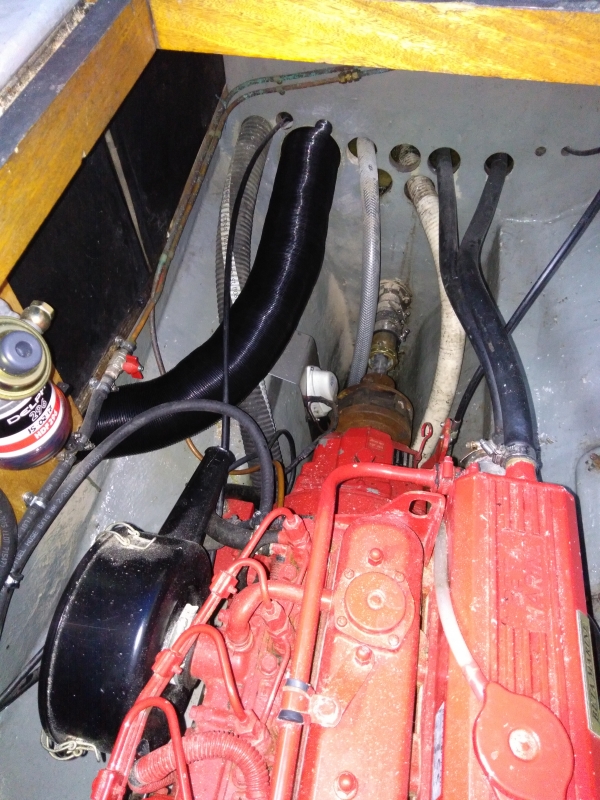
In order to install it, I needed to locate the heater in the aft dead space behind the transom (to keep the exhaust run as short as possible, and also keep the noise down) and then run ducting throughout the starboard side of the boat – my intention was to have outlets in the saloon (2), the heads, and the forward cabin.
I bought the ducting from another ebay store, it was pretty hard to find what I needed, but 10 metres of ducting and some vents arrived in a giant box. The T pieces I got from screwfix as they were £15 (!) pounds cheaper each at a whopping £2.50 than the ‘official’ marine ones, and they are basically just a plastic t piece.
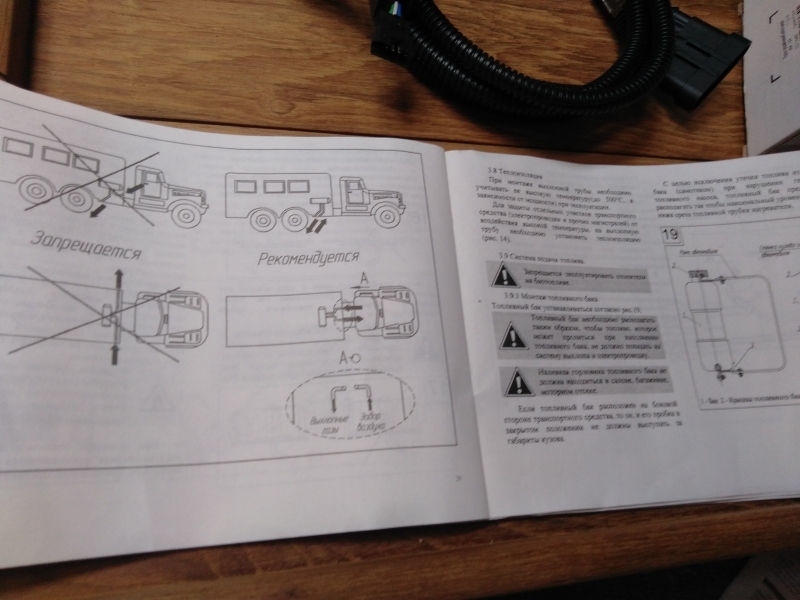
To begin the install I tried reading the manual, but as its 100% in Russian I gave up and figured it out from the pictures.
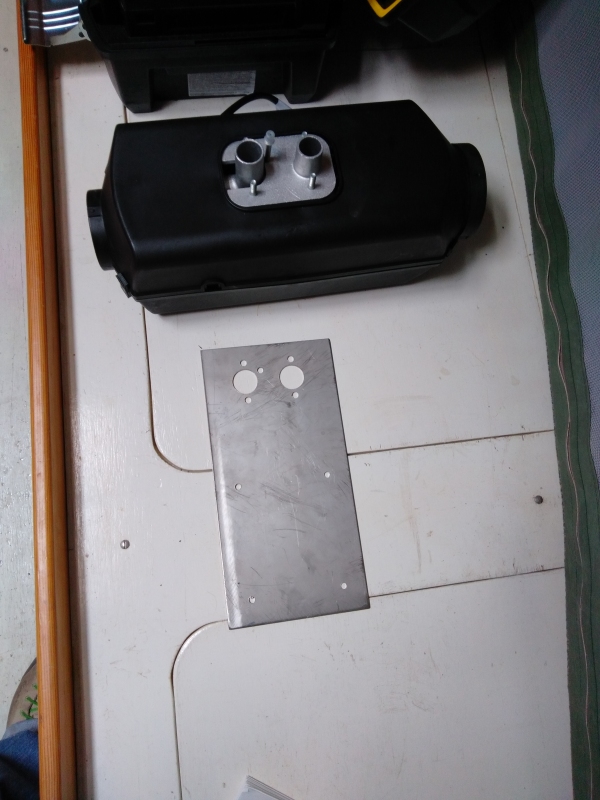
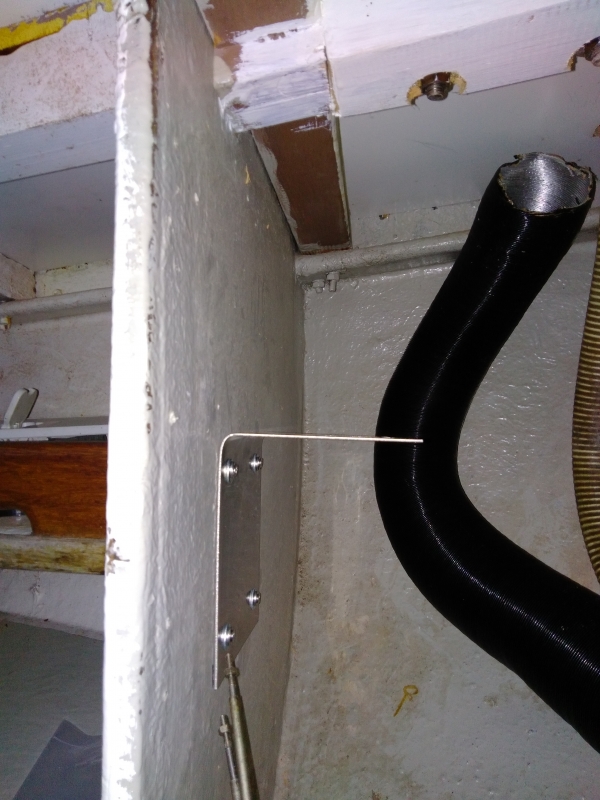
To mount the heater I got a sheet of stainless from the welders at the bottom of the yard for a tenner and drilled some holes in it, hammered it into shape and fixed it to the heater the bulkhead – observing the clearances required around the heater itself.
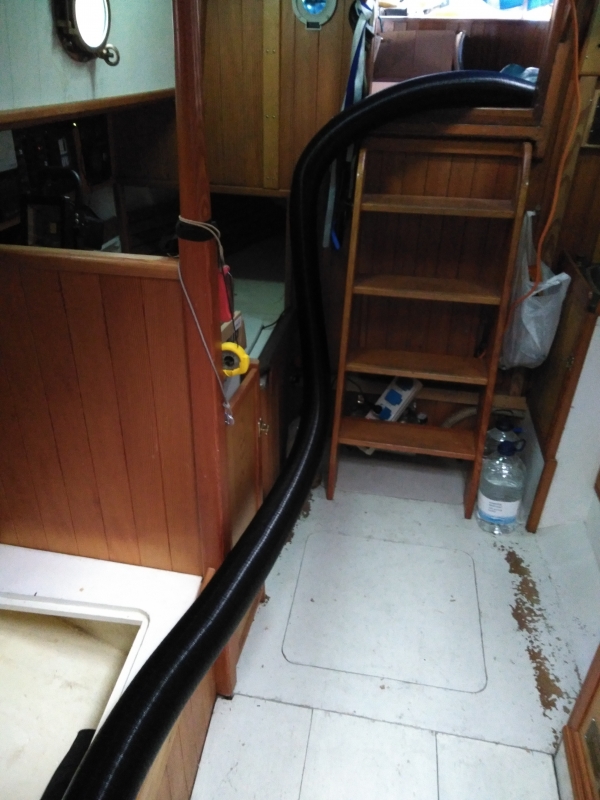
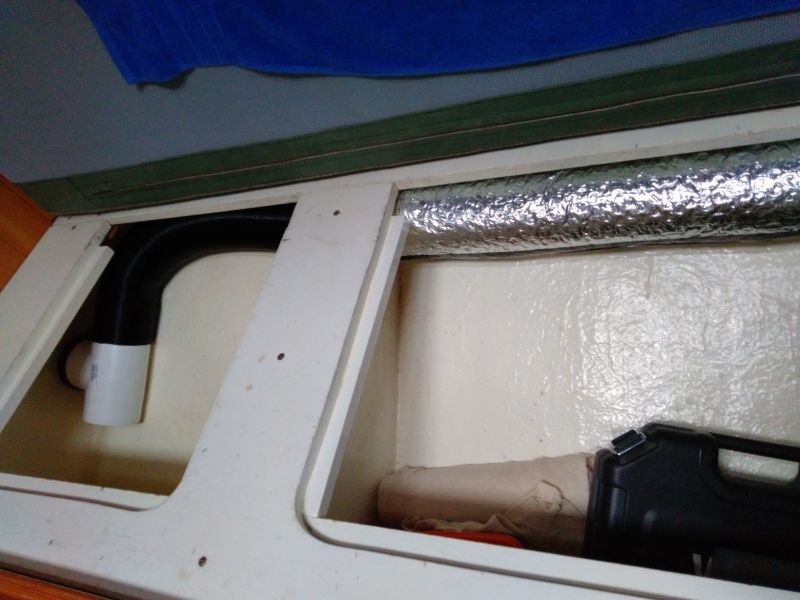
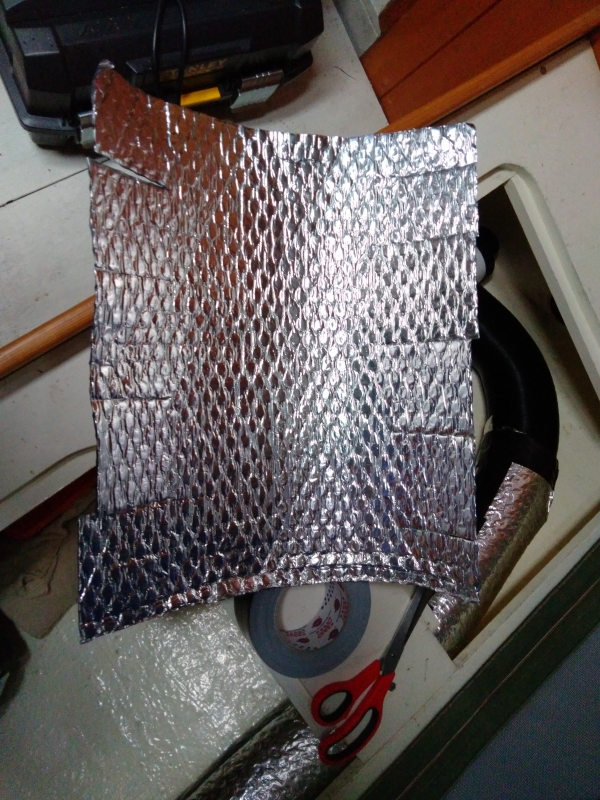
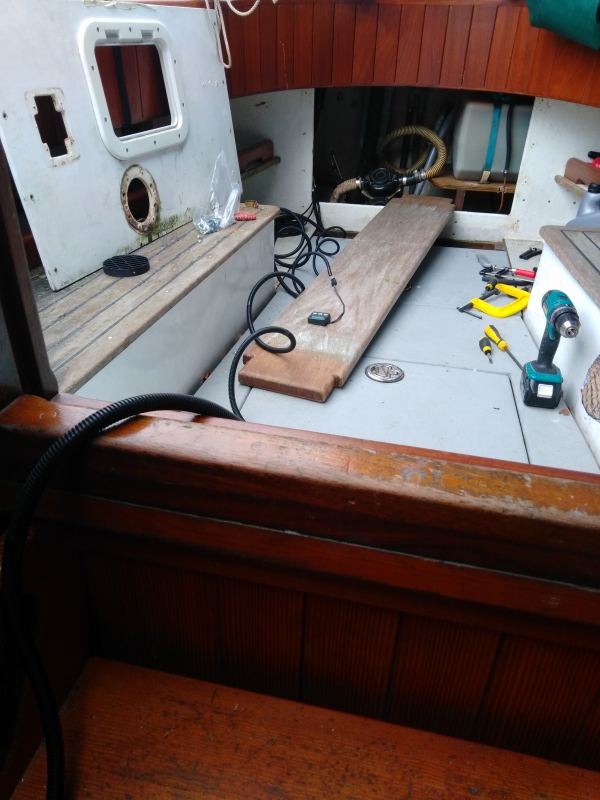
Then I began to run the ducting and wrap it in insulation – it took me 3 days. I had to cut holes in 13 bulkheads, usually in the back of lockers, or next to expensive bits of equipment…
In the end though it was done and the ducting in place. I won’t bore you with the details, It involved using a giant hole saw, and many drill battery recharges – I don’t ever want to do that job again.
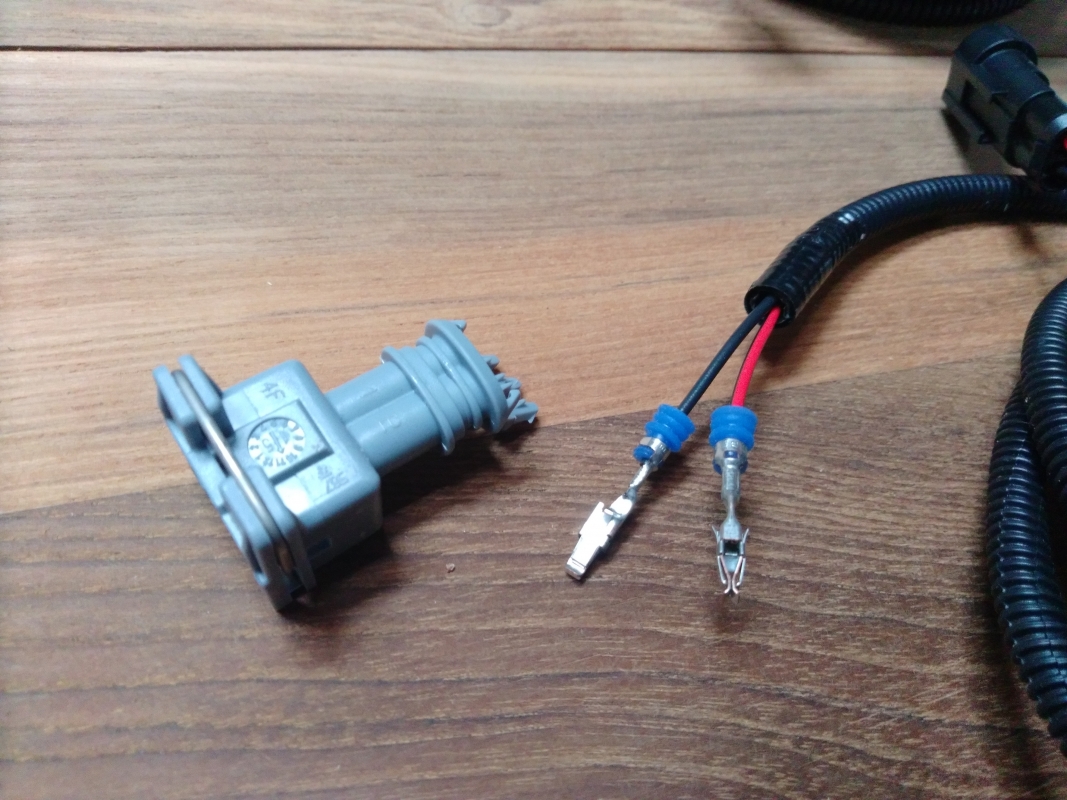
Once all the ducting was connected, I hooked up the fuel line to the tank and temporarily plumbed in some electrics. It took a few false starts, but eventually the thing fired up and the air coming in to the cabin was toasty hot. Its pretty noisy on full whack, but I can forgive it this for the heat it generates.
The control unit is pretty basic, so takes some getting used to, but the unit itself seems pretty robust and the installation should be good for drying clothing (main reason for an outlet in the heads) and general comfort. Worth all the difficulty in installing it I hope!