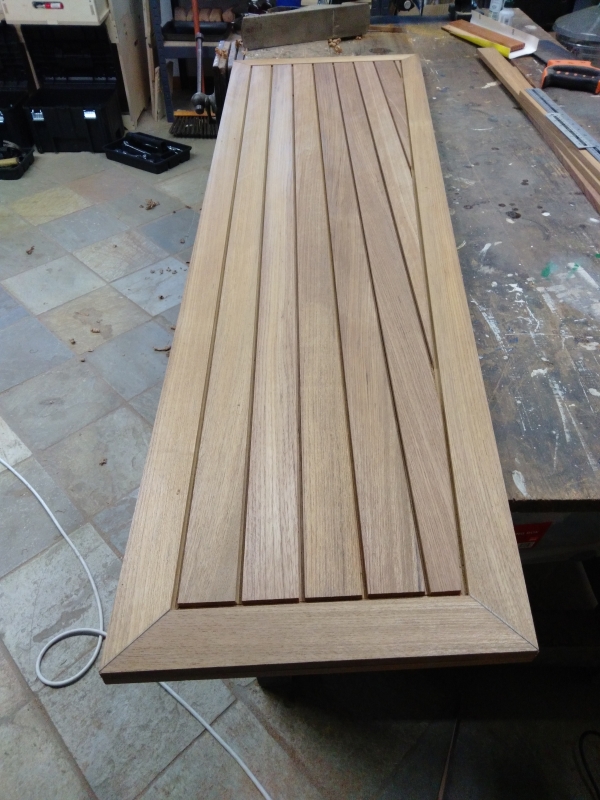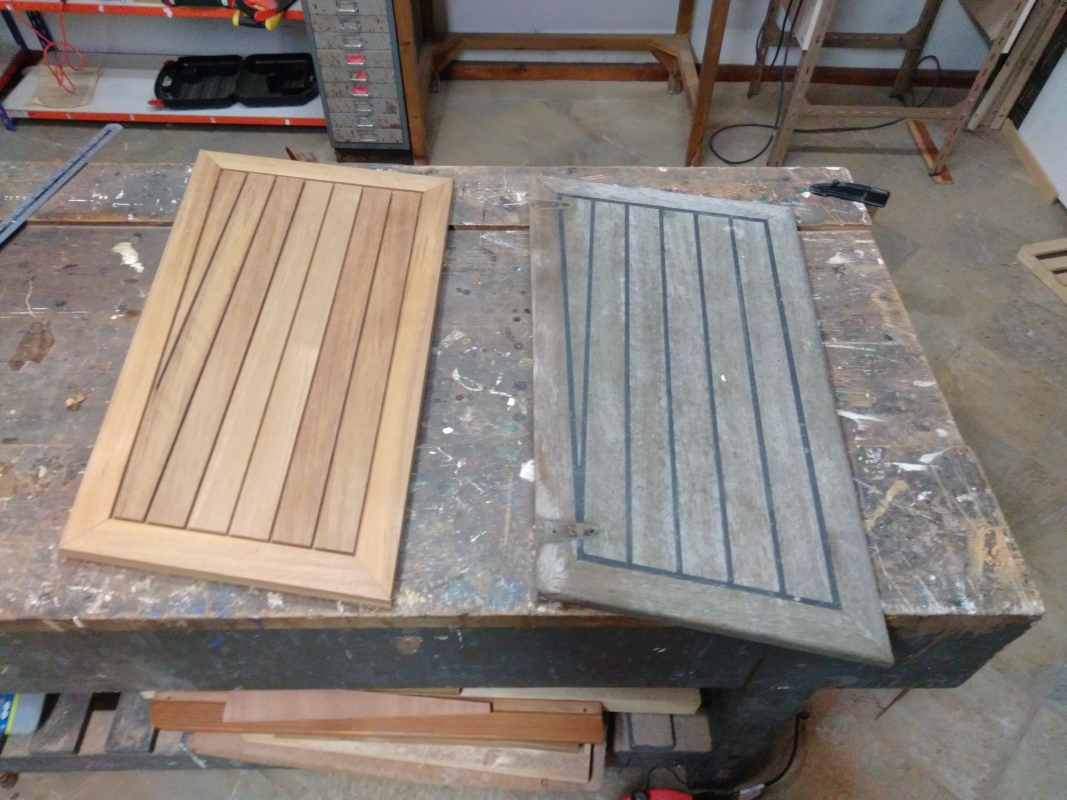

Mary Alice leaks slightly. The starboard side of the cockpit doesn’t have lockers, it only has a seat above the quarter berth on that side. The rainwater has got into the teak panel and the teak has cracked, the caulk gone and rainwater seeps into the quarterberth from above through the panel. So i decided to replace it, and while there, make some matching locker tops for the port side, as the caulking was also bad (it was not actually caulk, but epoxy resin with carbon black in it, not good as it doesn’t flex with the wood like proper caulk does).
The job should be easy, but like all things marine, it costs a fortune and teak is currently not cheap if you buy genuine, legally harvested stuff. I got the teak and marine ply for this project from KJ Howells timber in Poole. The guy in there was incredibly helpful and provided everything i needed for these panels and also the chart table (but thats for another post…).
I was originally going to get them made professionally for speed reasons, but costs are starting to become an issue, and in the end they have been very satisfying to make.
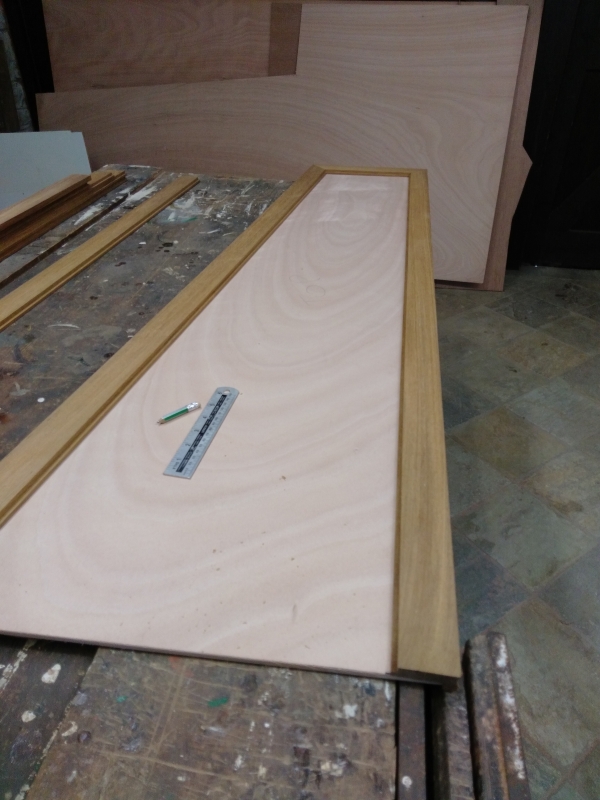
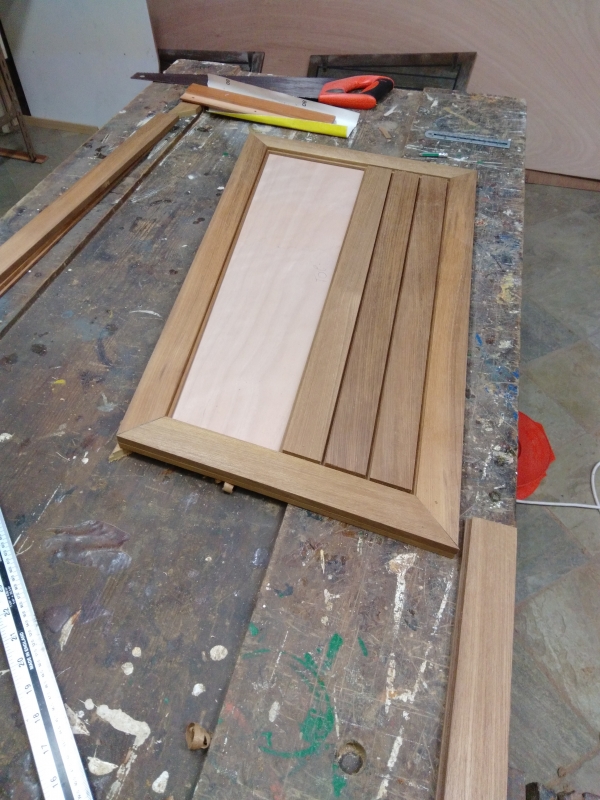
I started by cutting pieces of 9mm marine ply to size (from a template of the starboard side seat, as it is still attached to the boat, and the actual lcoker tops from the port side as they unscrew pretty easily.
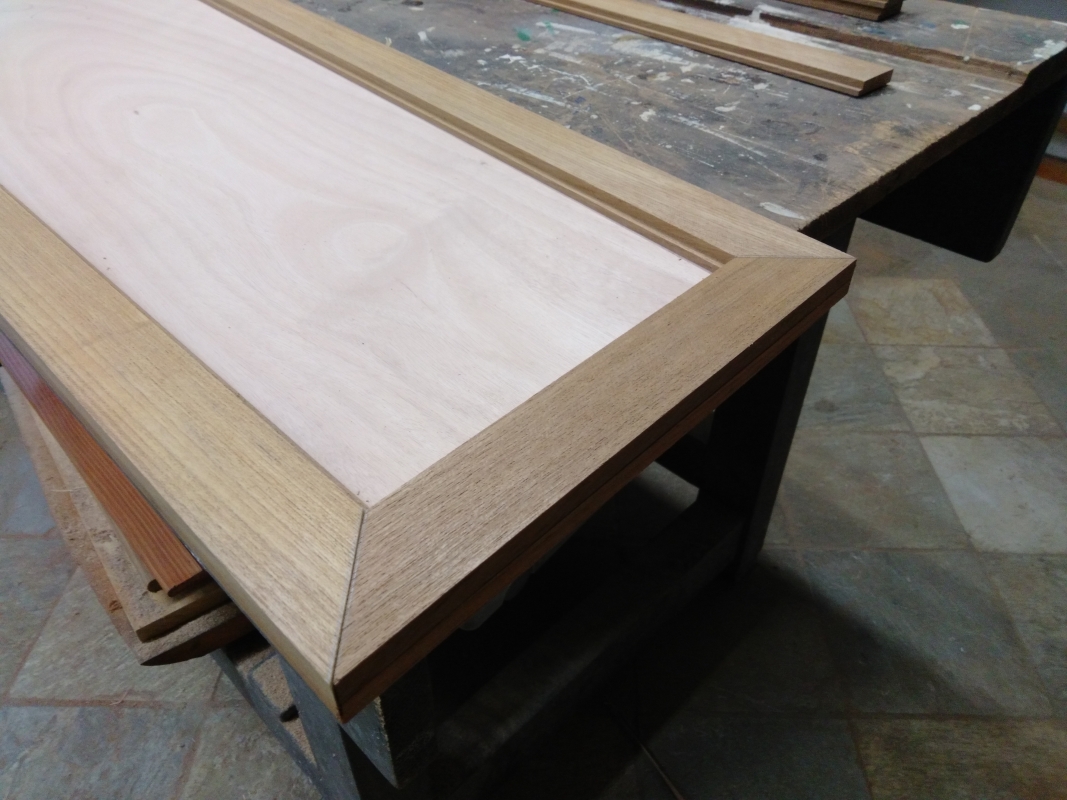
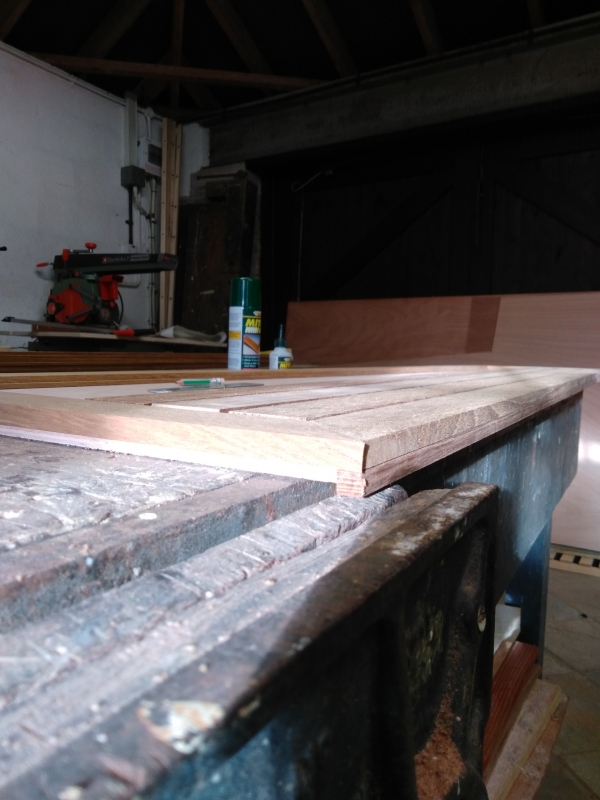
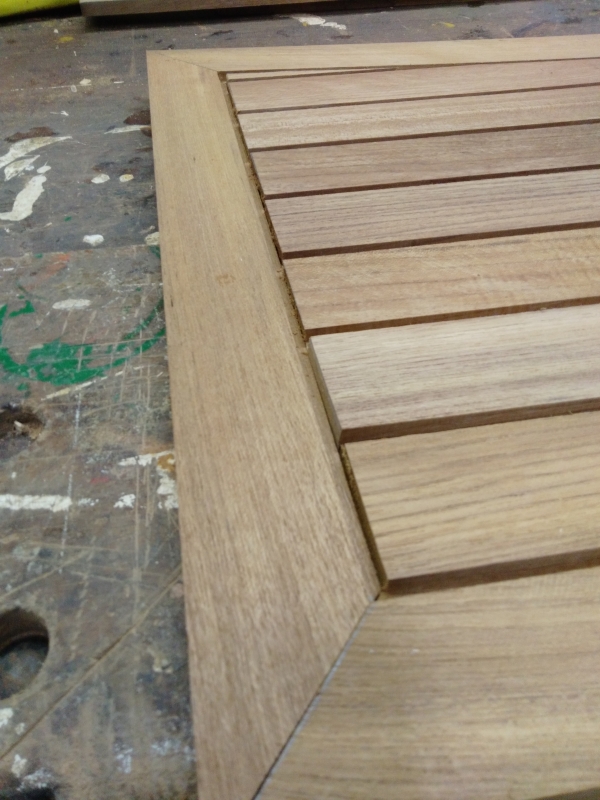
Instead of making the edges from solid teak (which is very expensive) I let the edge planks overhang the plywood a little and then glued on a strip of teak to hide the edge of the plywood. Its not 100% professional, but it helps avoid having to buy lots of lovely (did i already mention very expensive!?) teak, then machine it away to sawdust in order to make the edges neat.
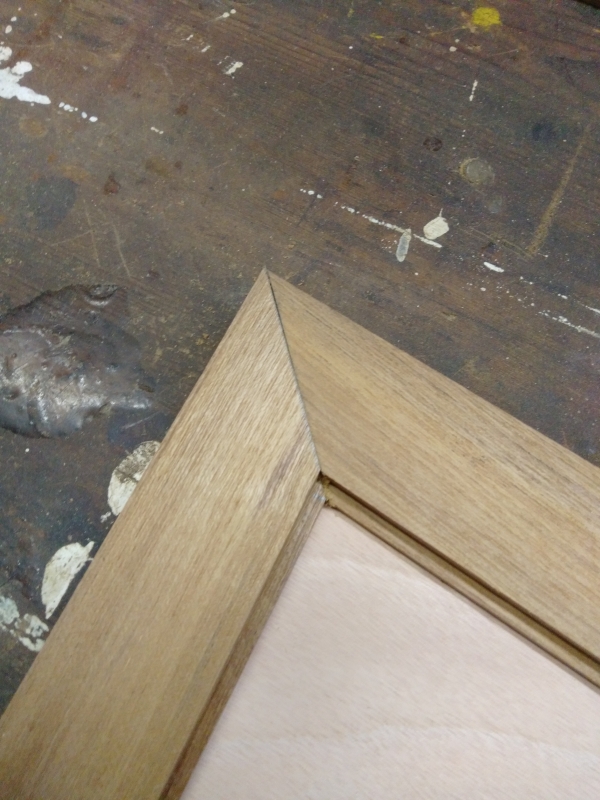
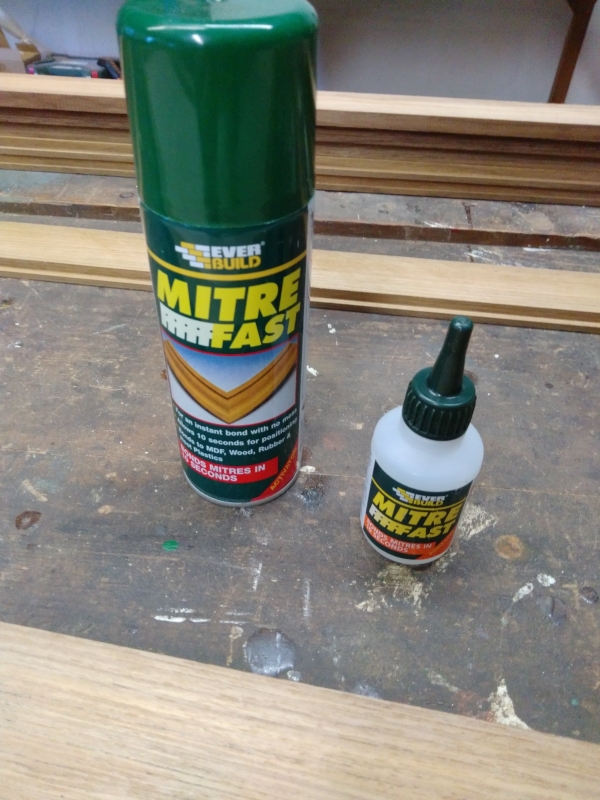
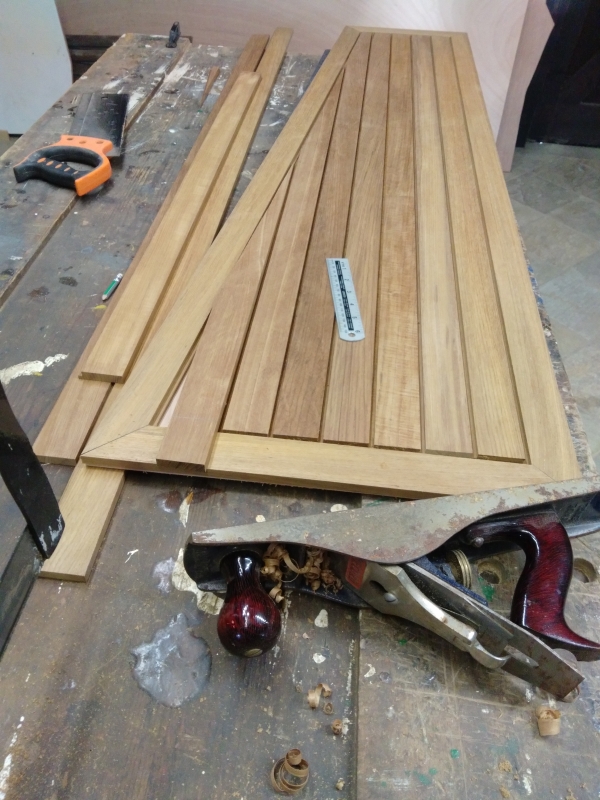
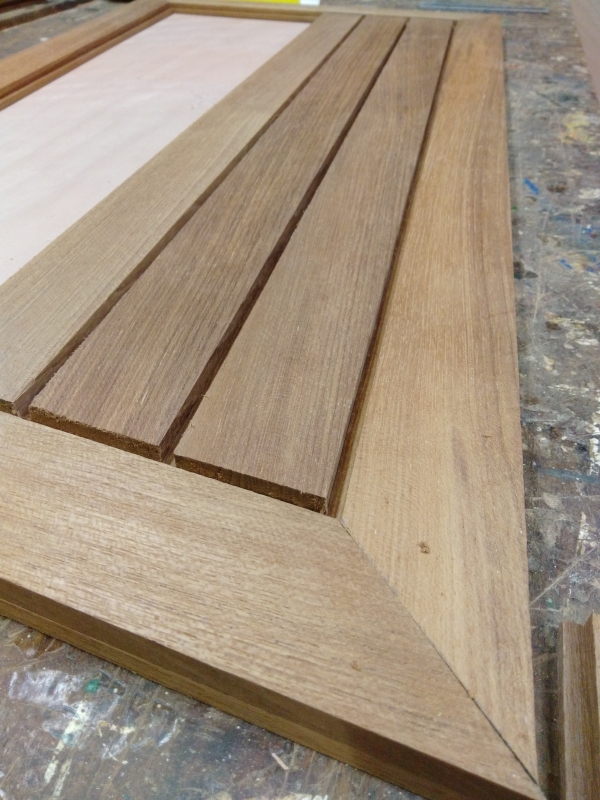
I did the border planks first, then tacked them into place with what is essentially super glue, then filled in the gaps with more planks.
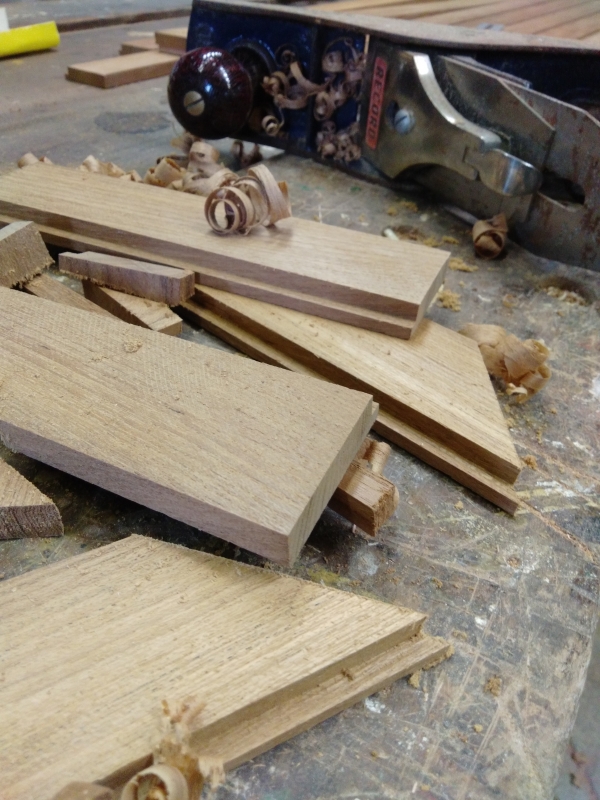
The correct tools for the job make this a lot easier – in this case a sharp pencil, long ruler and a mitre saw that keeps the very sharp blade at 90 degrees to the horizontal and has an adjustable angle against a solid fence, with this you only need to worry about the mitre angle, and not the vertical nature of the joint as it is 100% vertical everytime, if you see what i mean.
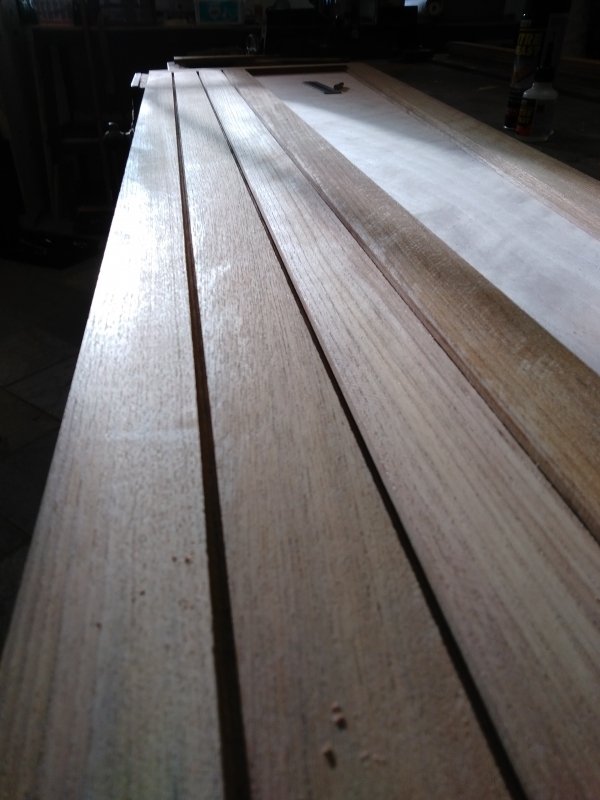
Once the planks were sized and located correctly, they were removed, epoxied into place and the rebates filled with sikaflex and finally sanded smooth.