
Waaaay back when we were originally sailing Mary Alice shortly after buying her we discovered that the Wykham Martin – style furler for the jibs (out on the end of the bowsprit) didn’t really work very well. I tried servicing it, I tried changing the lead of the halyard etc. But the drum was just too tiny to furl a heavy synthetic canvas sail in anything other than a moderate breeze and the other annoyance was that the amount of turns required for the 3 different sizes of jibs meant that occasionally if you didn’t fully unwind, then prep the drum with a few spare turns before unfurling a sail you’d end up with not enough rope to fully open the sail (the sail would jam half out) or not have enough to fully furl it away again. Either way, as the furler was operating on a wire-luff it is not a roller reef – it only has two states, fully open or fully closed, so being halfway out was pretty disasterous, endangering the sails – and in one memorable case, endangering the whole bowsprit when a half powered up, half opened jib got the wrong side of a serious squall and i was hauling it in hand over hand on the foredeck while the bowsprit bucked and bent in front of my eyes.
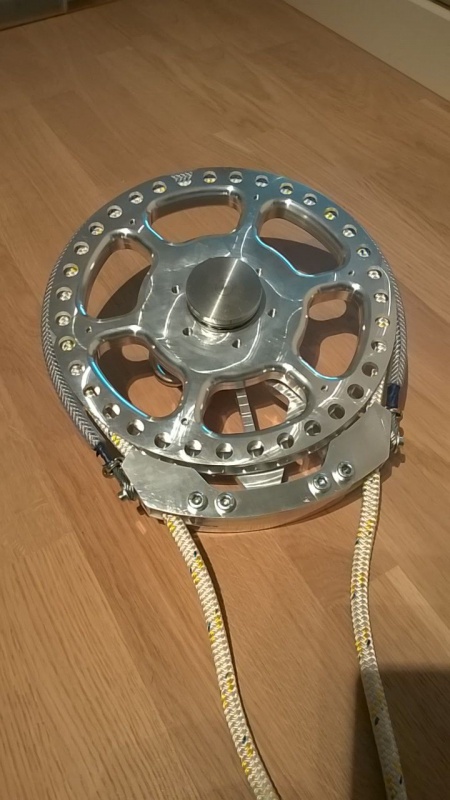
The solution to the rope length issue is to use a continuous line approach. i.e. lead a loop of line from the furler back to the cockpit and so that you can pull in either direction indefinitely to furl/ unfurl the sail.
The solution to the leverage issue is to simply make a furler with a larger diameter ‘wheel’. I’m really not sure why this isn’t done anyway for regular roller reefing systens, as they aren’t usually very easy to furl by hand, when they could be with a slightly larger unit.
I looked around for secondhand units, and when nothing came up i then looked at new units. After seeing the price tag of these (£2k+)I quickly became convinced that i could make one for about 25% of the cost.
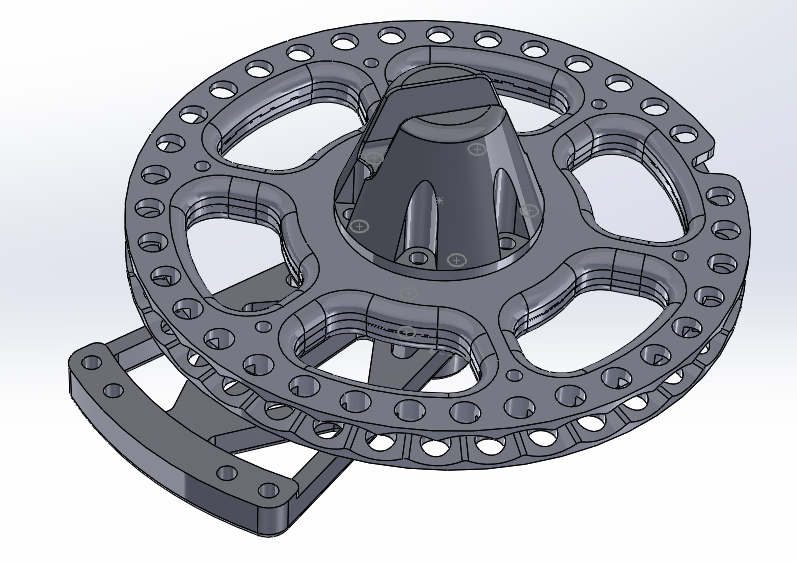
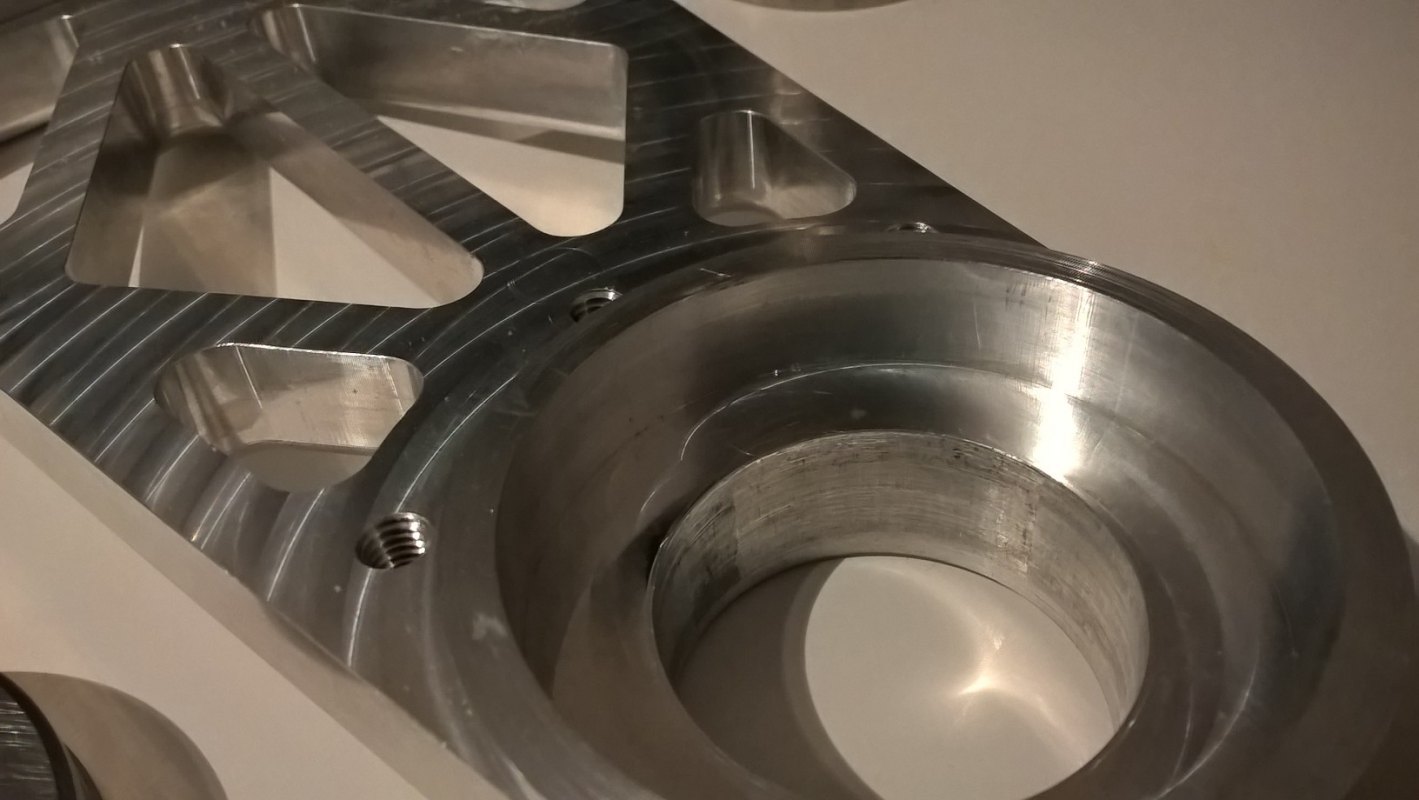
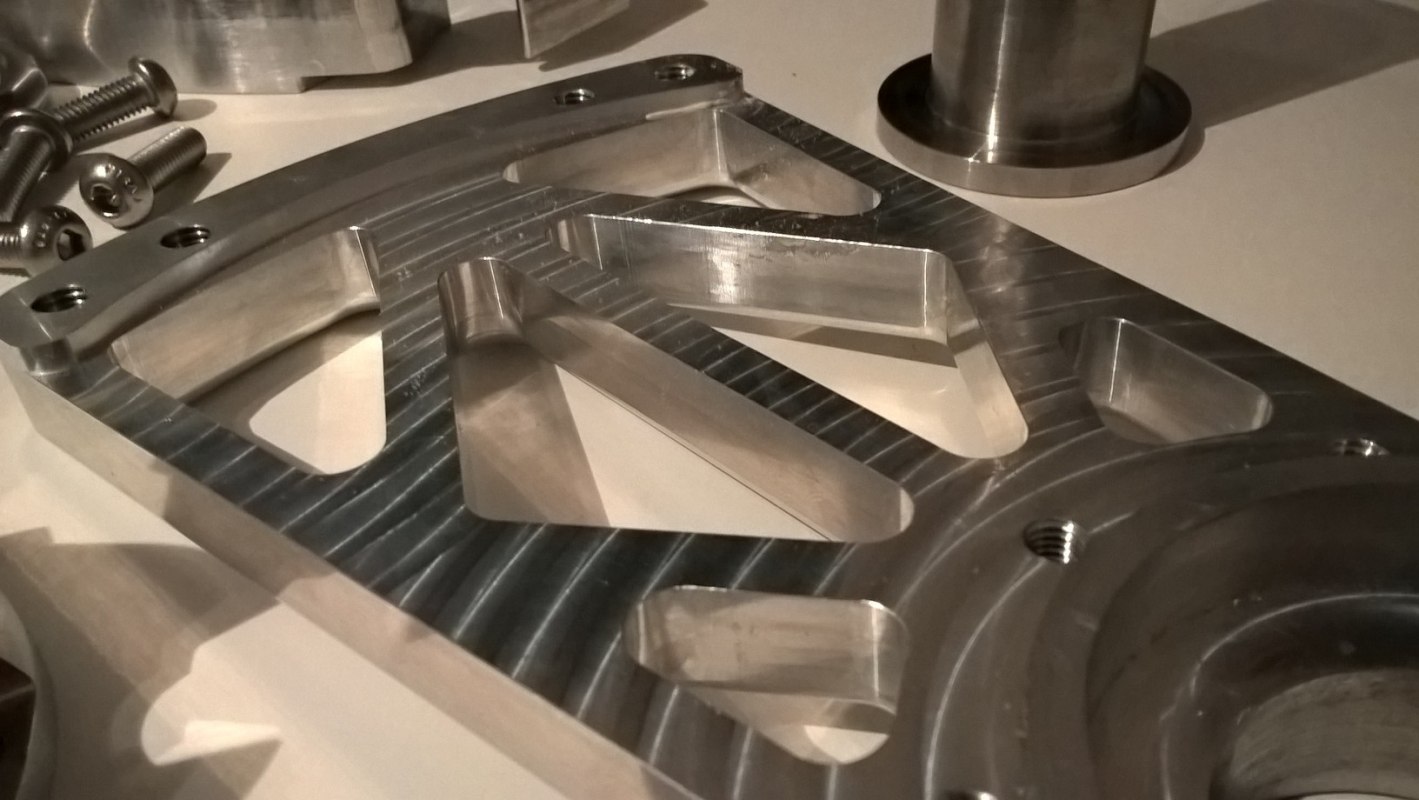
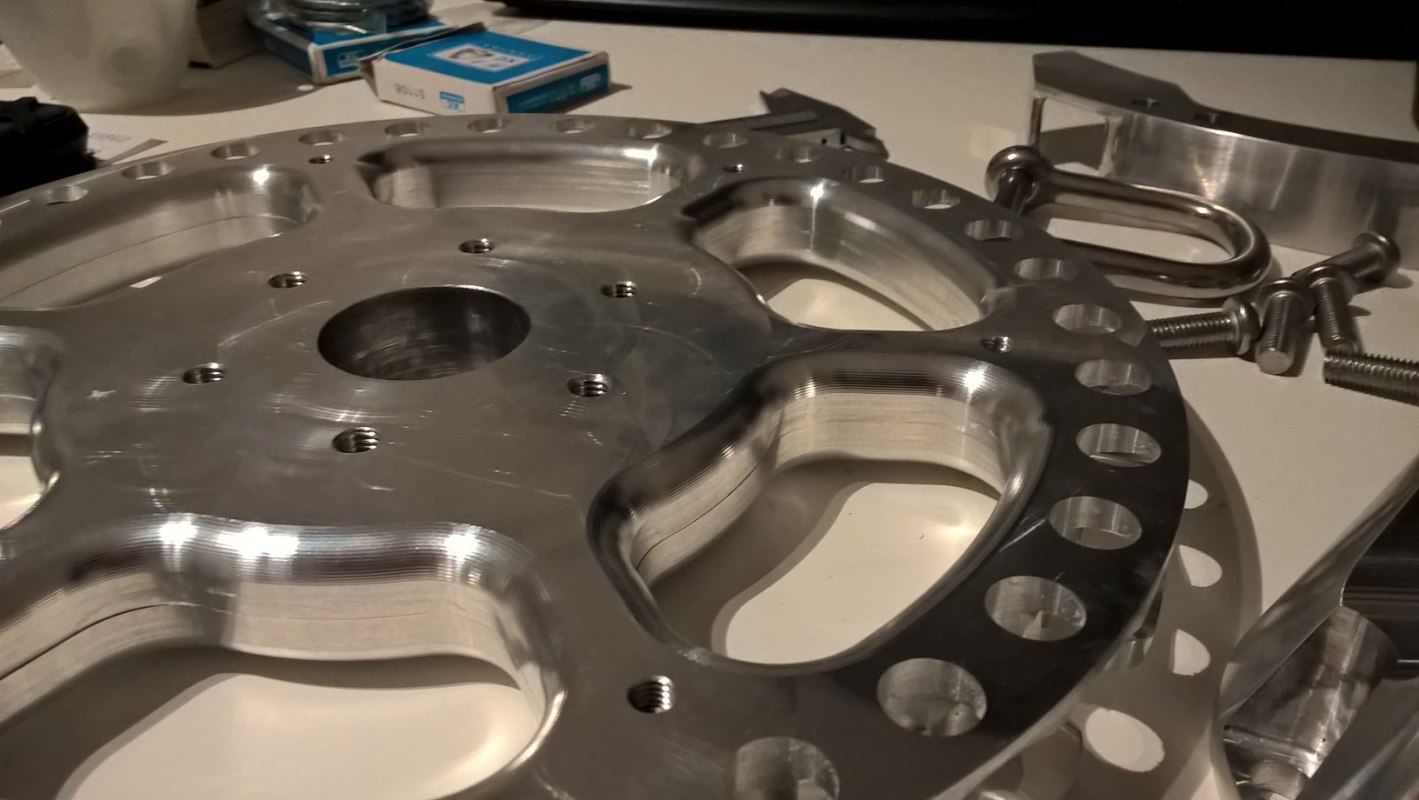
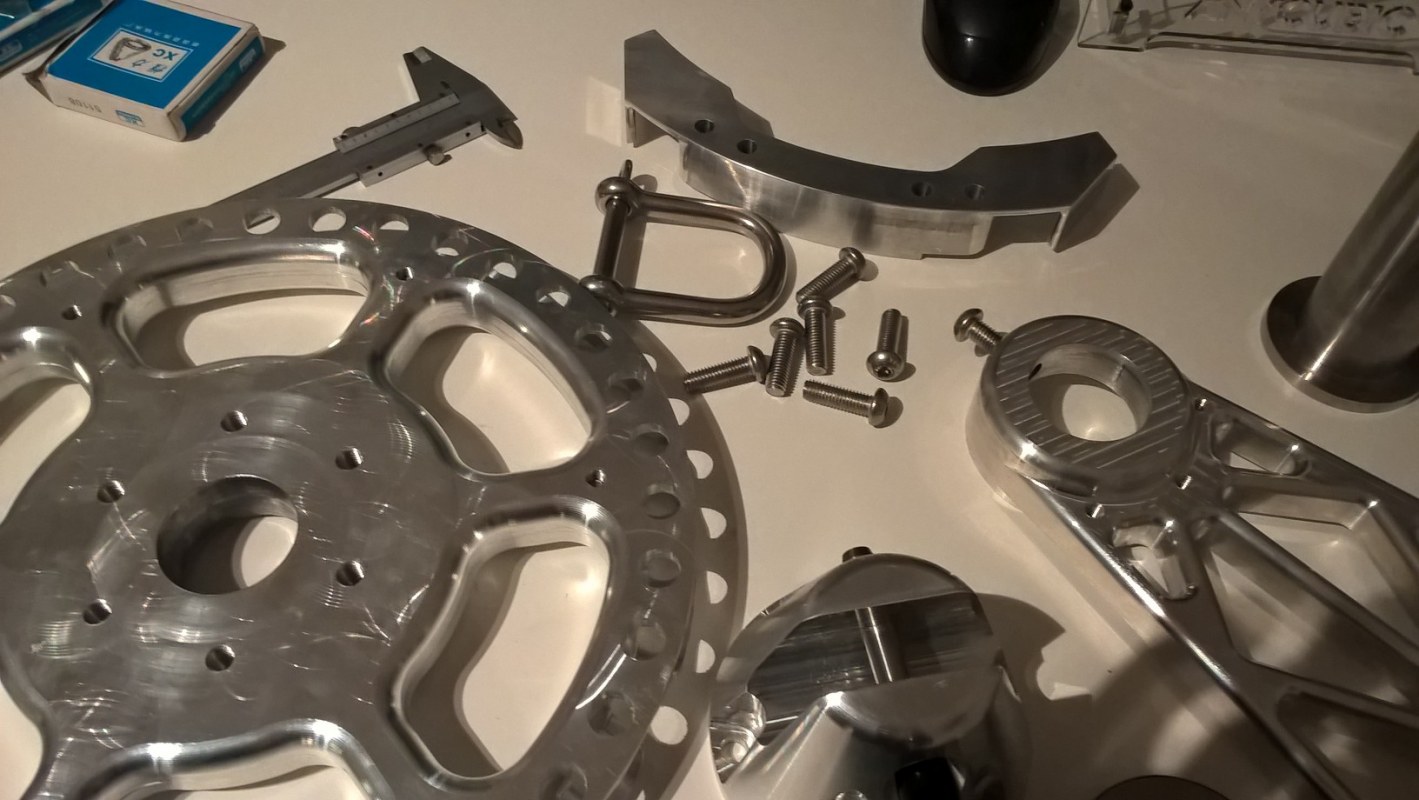
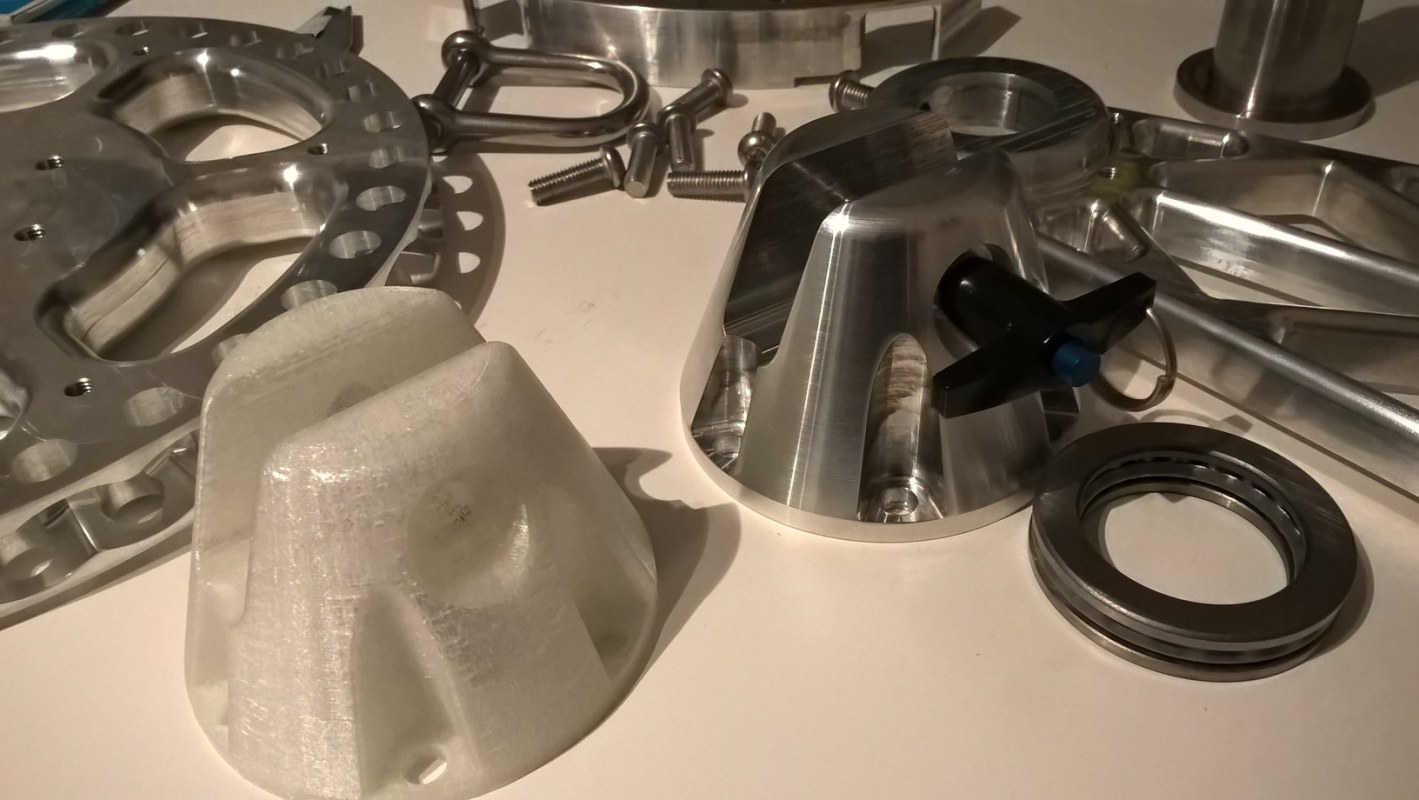
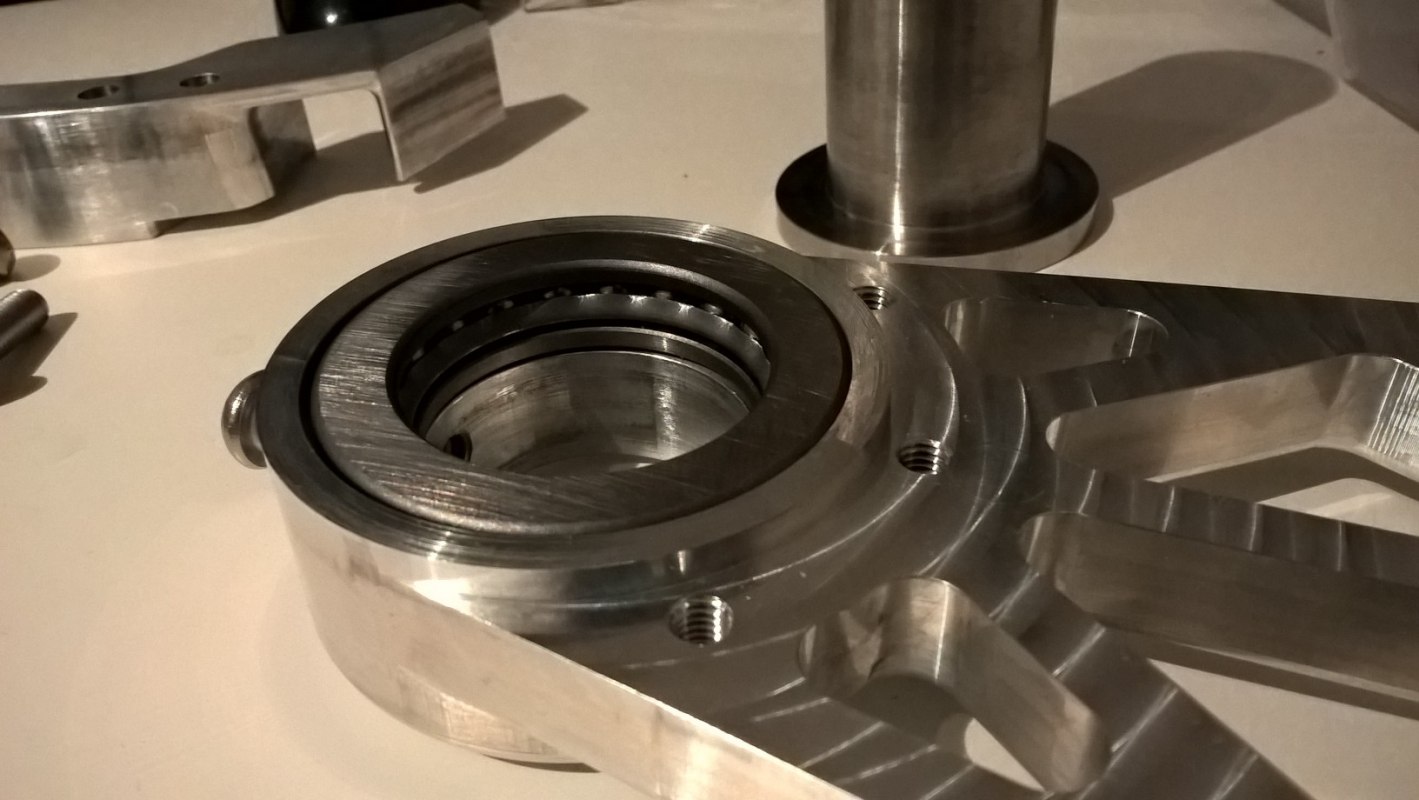
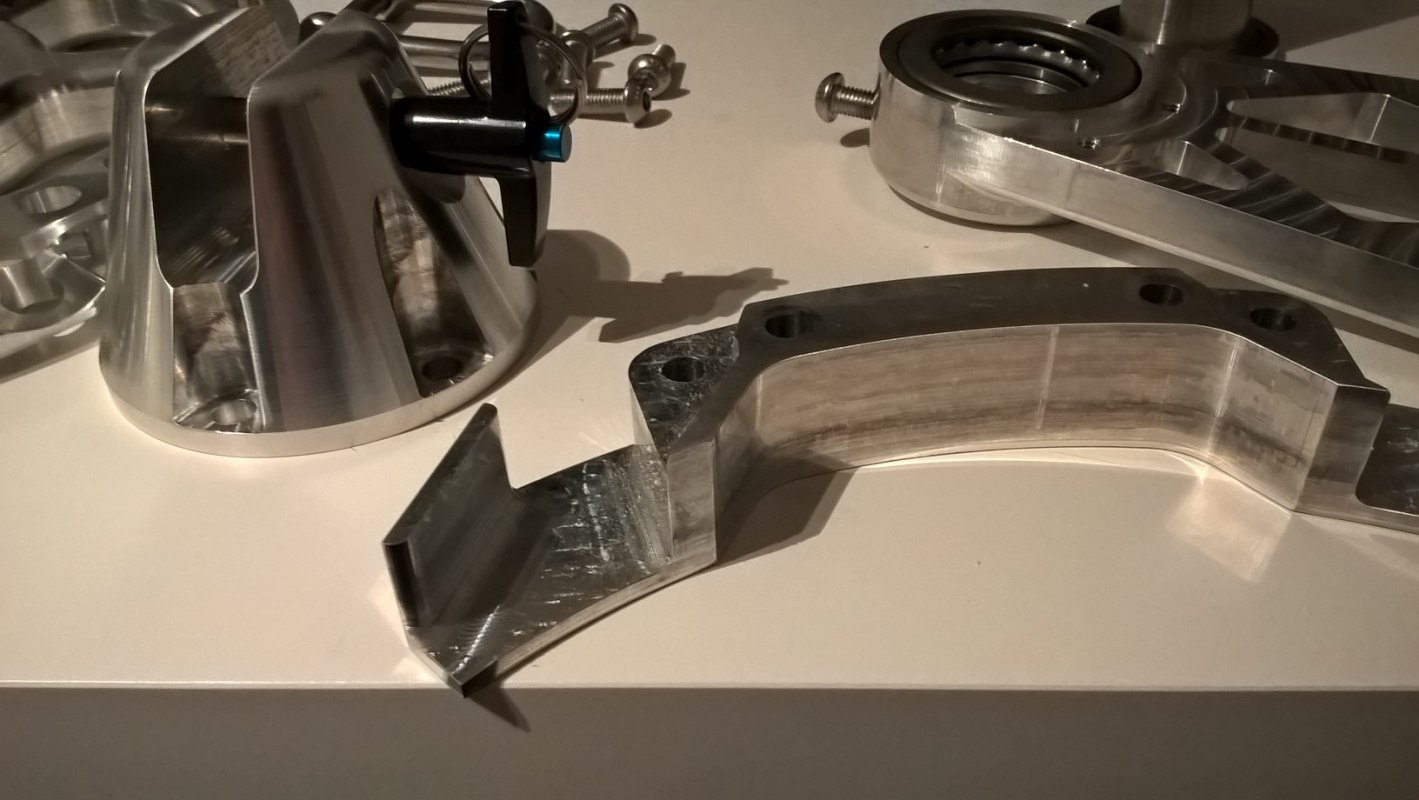
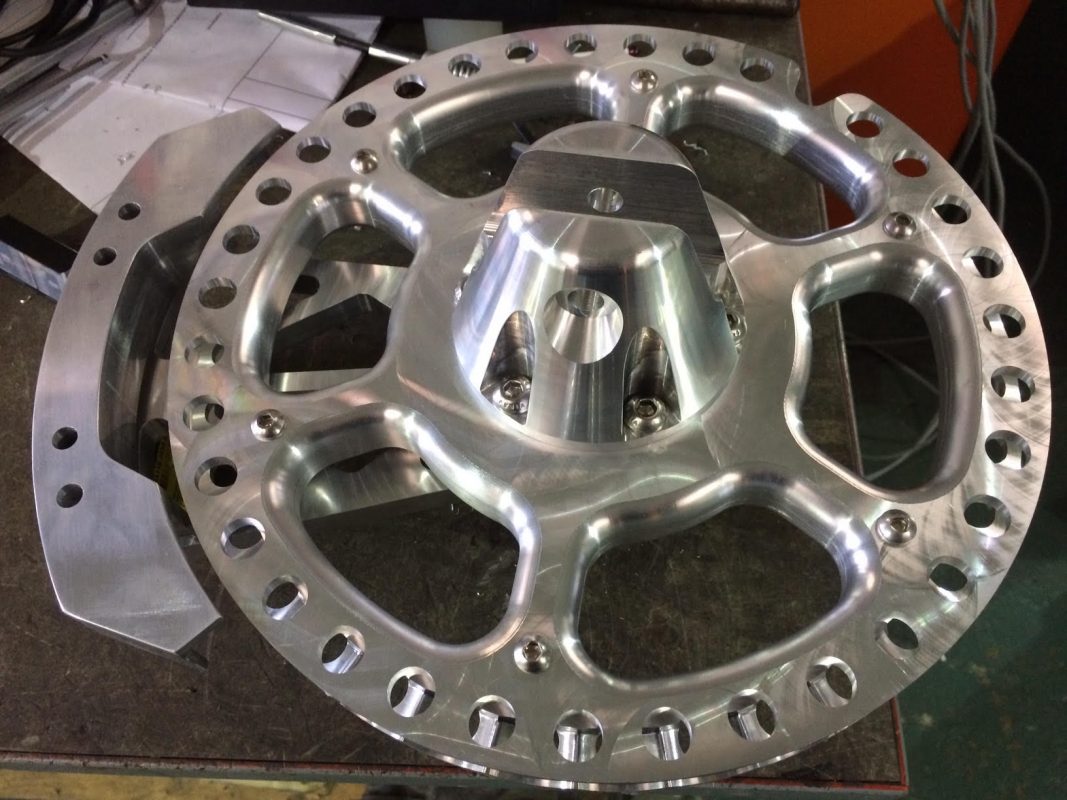
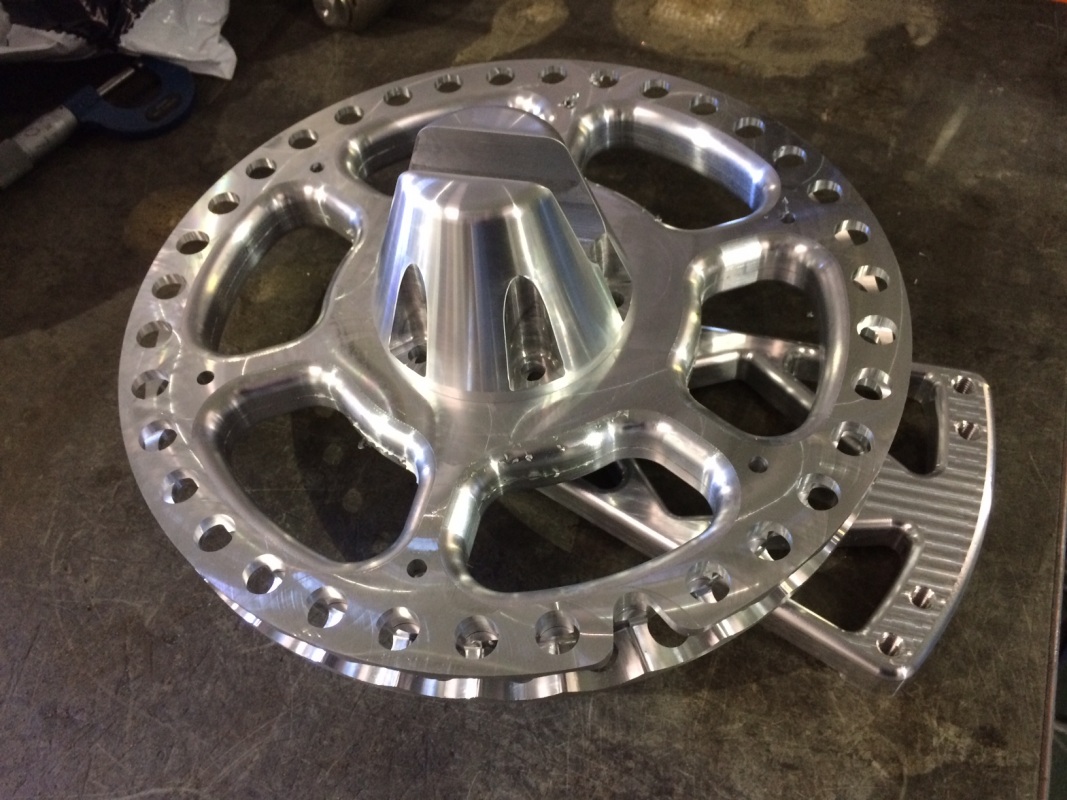
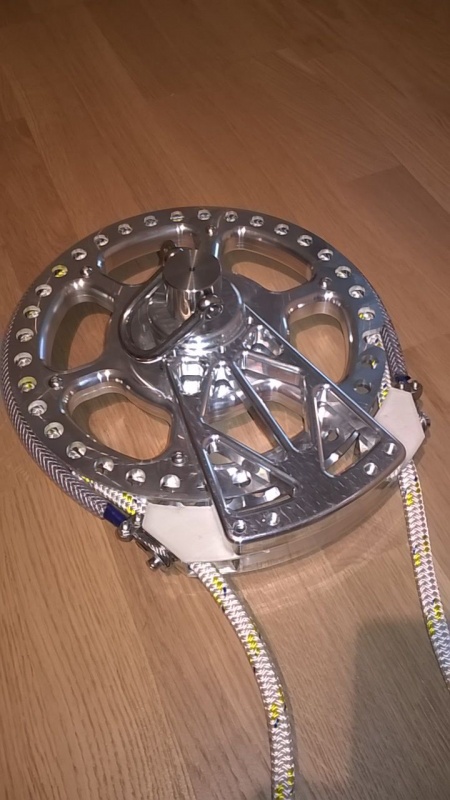
One of the few advantages of working for MegaCorp is that i got a bunch of useful software licenses, including Solidworks. Using this i drew a furler, and based all the bearings on standard stainless steel types available on Amazon for ease of replacement. The drum was in two halves, made so that i could vary the way the rope was gripped to see which way worked best without any modifications (just bolting it together slightly differently having rotated it 60 degrees using the 6 bolt hole pattern).
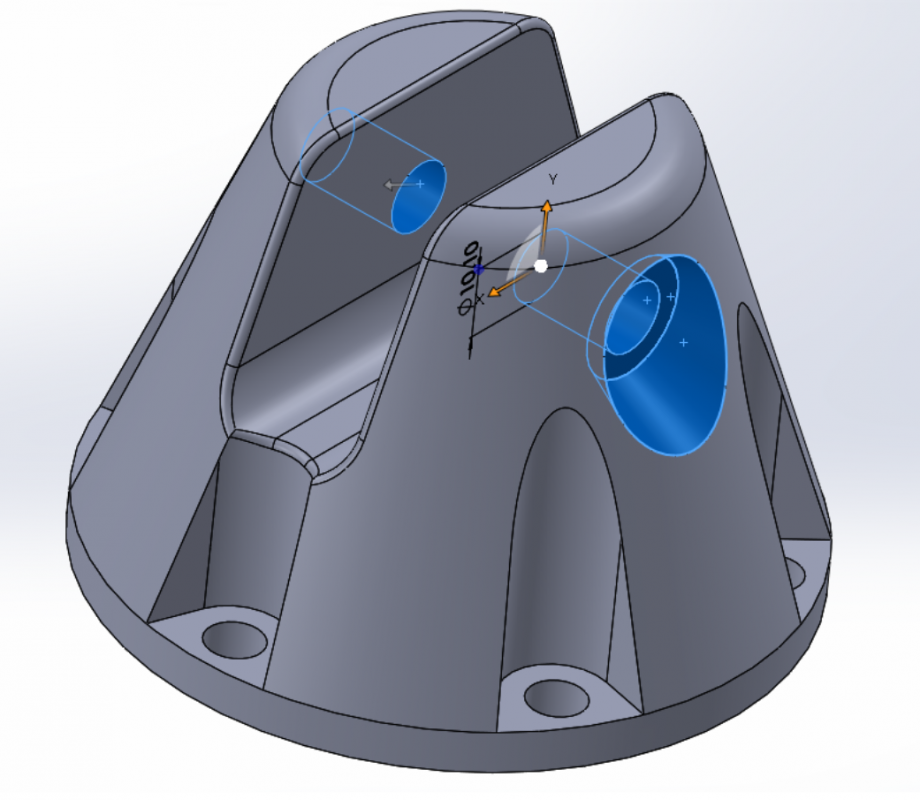
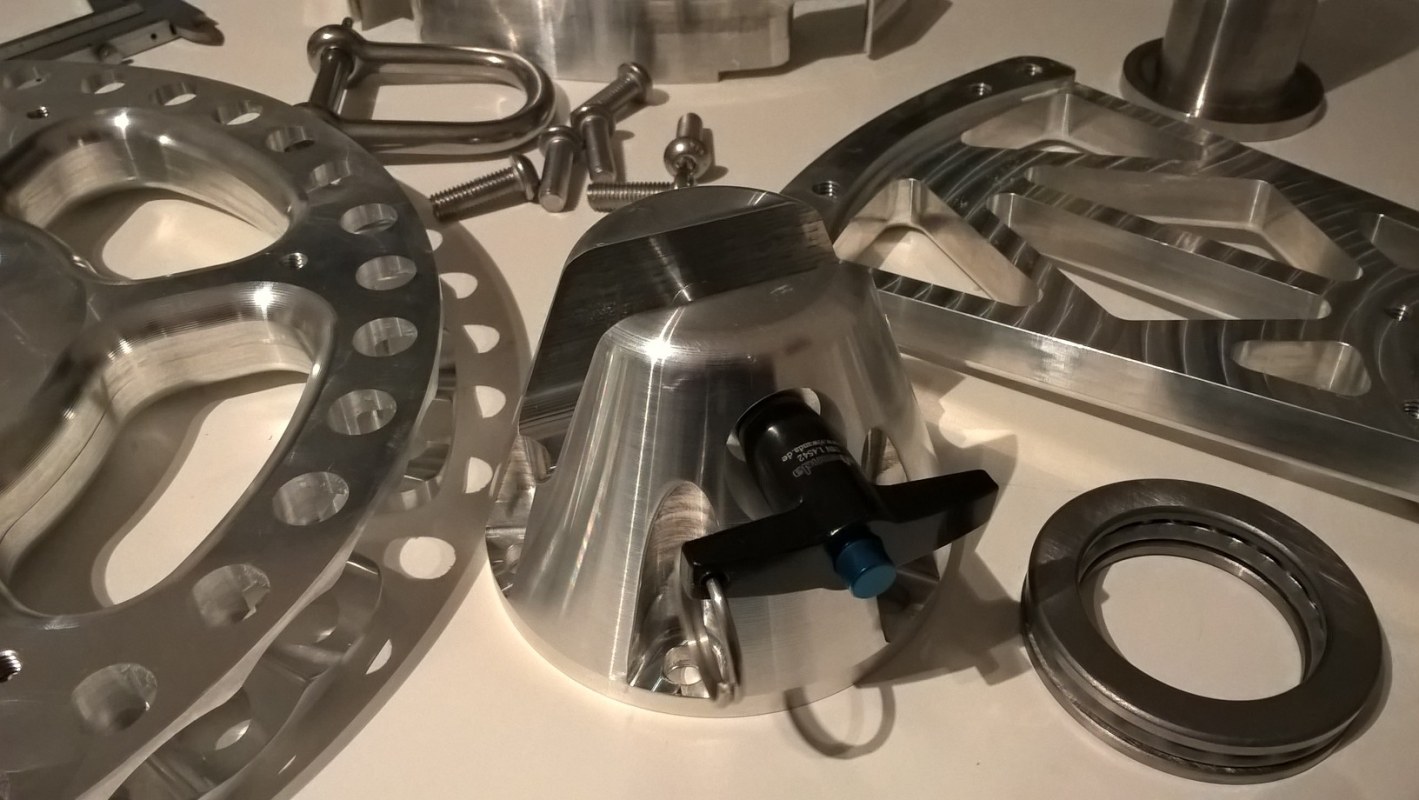
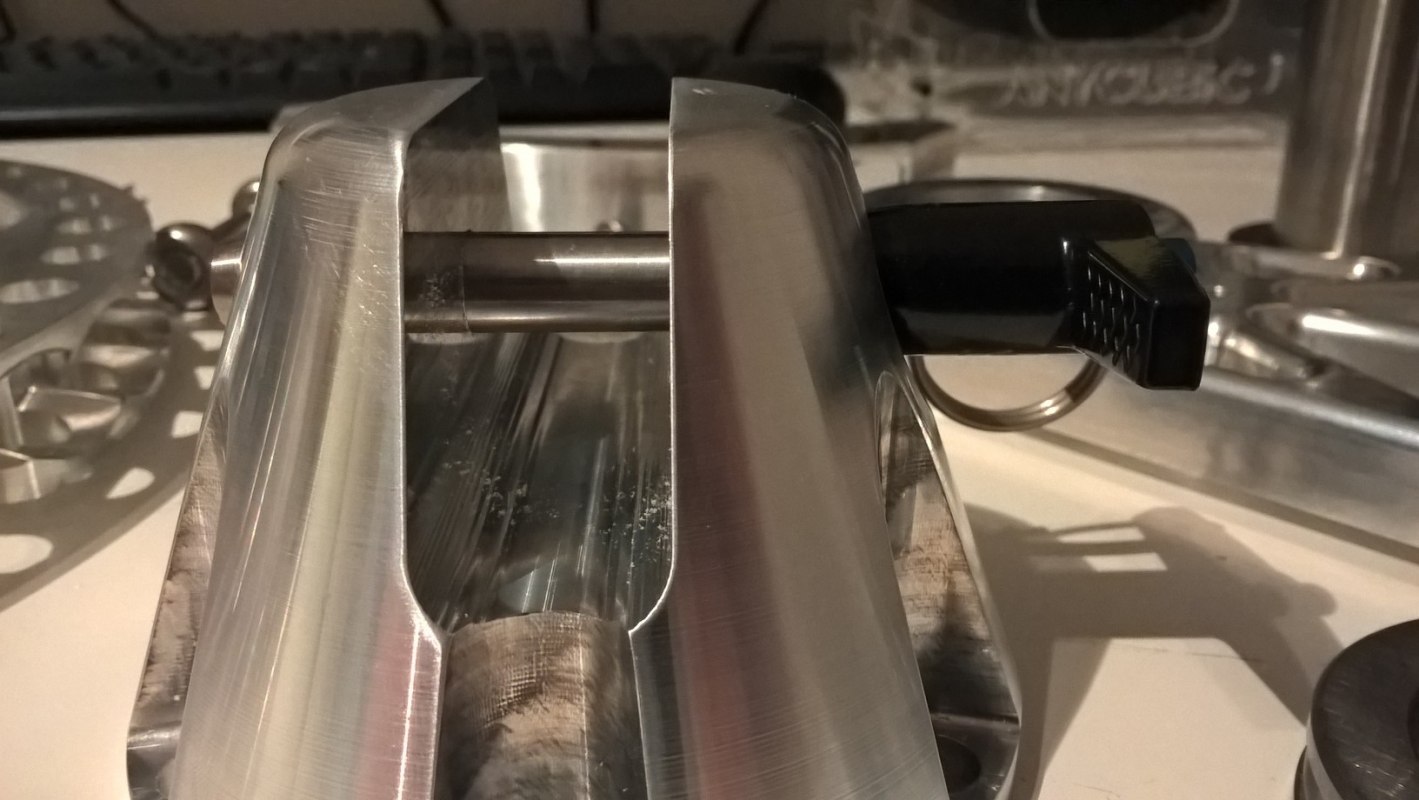
The material was aluminium and the central load bearing column was stainless steel. (i.e. the part that takes the tension of the wire luff that becomes a kind of mast stay when the running backstays were tensioned fully). There is a push button pin that allowed for the foot of the sail to be inserted and snapped into place.
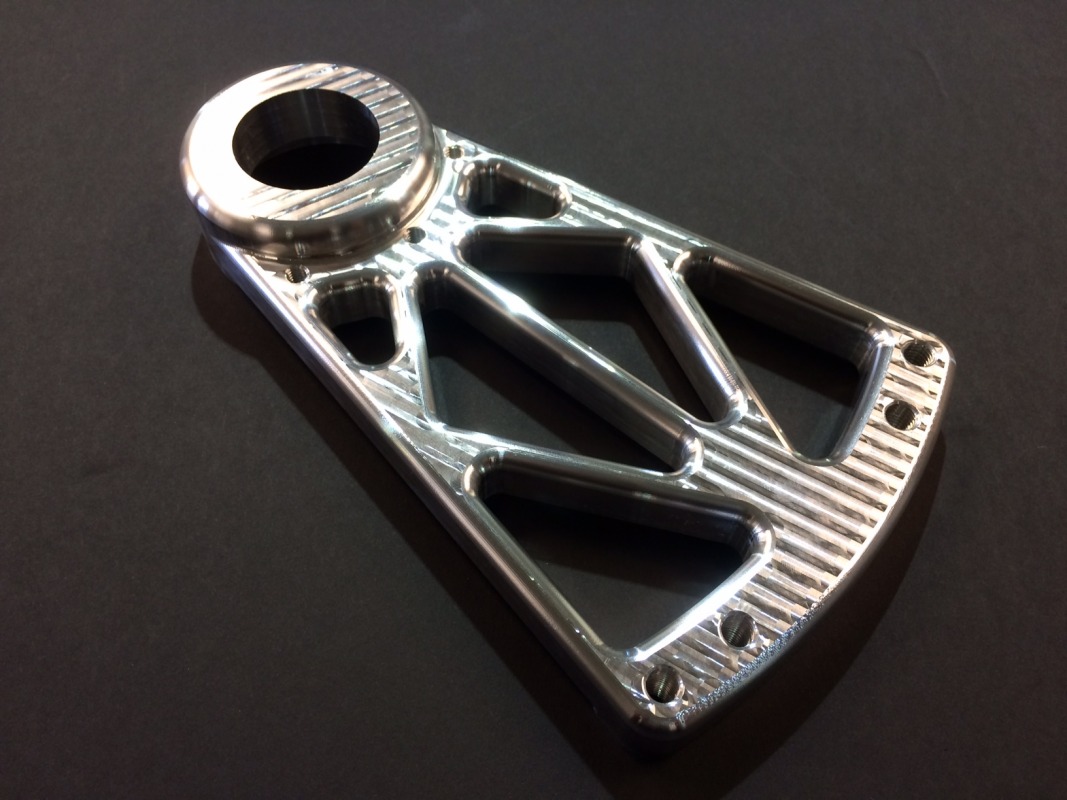
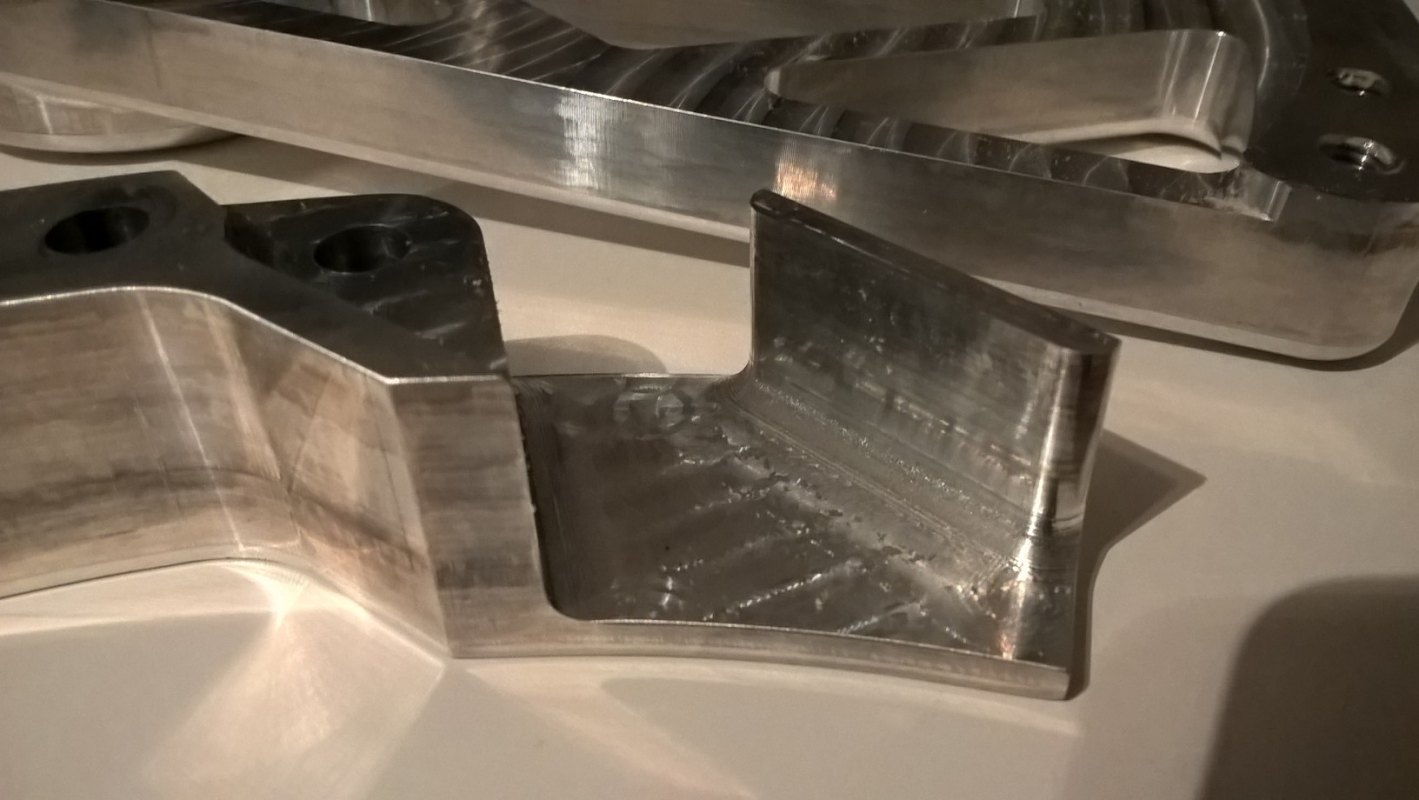
I used Lomach machining services again, who incredibly generously did the machining for £480 – which by any stretch was a bargain. The remaining parts were about £50 (bearings on Amazon are cheap!). Every part went together flawlessly and were fastened with some stainless fasteners also supplied by Lomach.
I 3d printed some rope guides and attached these, and then tested the device.
It took a few different rope types and diameters to find one that was just grippy enough, and i had to re-spice the loop each time, but each time i got a bit quicker (the splice is pretty complicated (takes maybe an hour to do when i was getting good at it), as it has to be a constant diameter and made of braid-over-core line).
The result was a really functional furler, super easy to furl due to the large drum and really, really robust. Probably too robust – as it was maybe 2kgs too heavy. If i did it again i’d refine the dimensions of all the parts to make them lighter and perhaps reduce its unnecessarily stong core section. It could also do with some more refinement in the rope guide sectiona s this caused quite a lot of friction and would be easy to remedy with some rollers. All in all though, seemed to work ok and for 25% or so of the cost of a bought one!